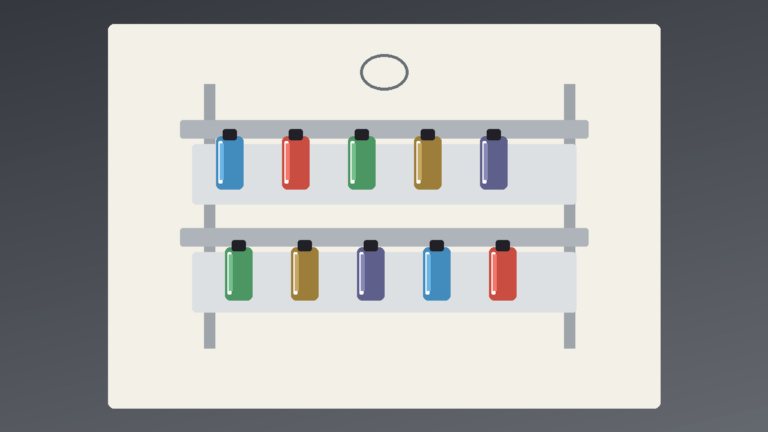
Compare 2-tier pull-out under-sink organizers for renters: expandable shelves,...
Under-Sink
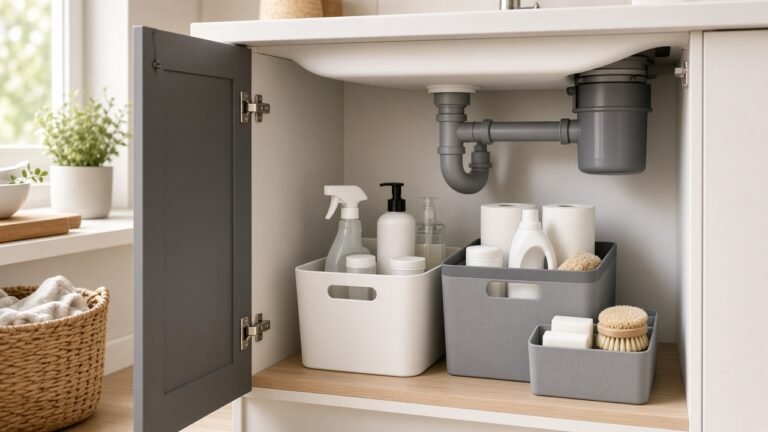
Under the sink is where rental kitchens hide the ugly constraints: a garbage disposal, a P-trap in the wrong place, a water line that blocks half the cabinet, and a particle-board floor that stains if a bottle leaks. Organizers that ignore pipes fail in week one, no matter how tidy the product photo looked online.
This category focuses on L-shaped and expandable shelves that leave a pipe lane, waterproof mats and liners that protect the deposit, tension-rod hanging tricks, pull-out trash and bag dispensers, cleaning caddies you can lift out, and leak alarms for peace of mind. No-drill still wins—adhesive and freestanding beats screws into a cabinet you do not own.
Start with the under-sink roundup hub for product types, then use pipe-specific guides when your cabinet is all plumbing and no rectangle. Measure the pipe offset from the back wall, the cabinet opening width, and the height under the sink bowl before you buy a two-tier unit that only fits a stage set.
If the cabinet already smells musty, fix the liner and leak path before you add more bottles. Dry base, then organize. Keep bleach and food-adjacent cleaners in a stable caddy you can remove in one lift when you need the shutoff valve in a hurry.
Shared apartments benefit from one agreed under-sink layout. Two competing caddies and a half-installed shelf cause more roommate friction than an empty cabinet ever did. Agree on zones: cleaners left, bags right, spare sponges in a caddy that leaves with the cleaner on chore day.New to the site? Pick one constraint—no drill, tiny counter, or pipes under the sink—and follow that cluster before expanding into adjacent rooms. Then come back for adjacent zones once the first cluster feels settled.
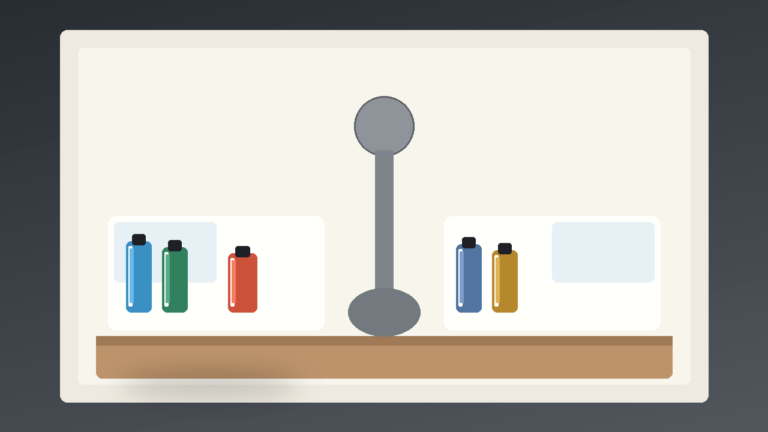
Best L-shaped under-sink organizers for garbage disposals and pipes....
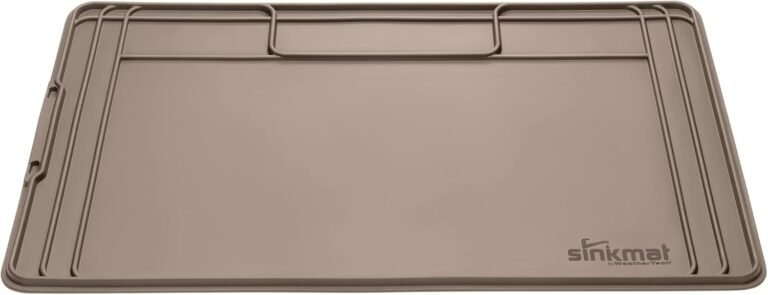
Under-sink mats, bins, and liners for renters that protect...
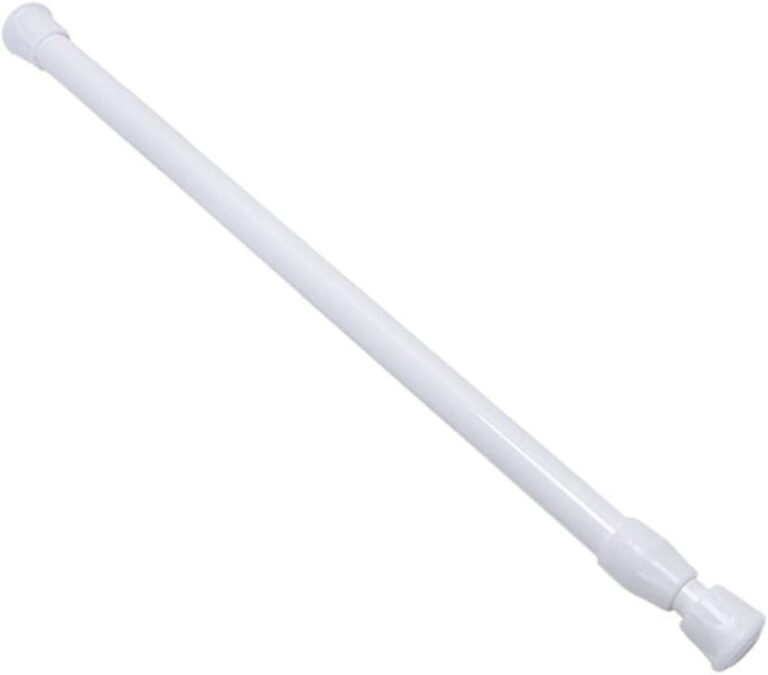
Use a tension rod under the sink to hang...
Last updated: September 2026 This page contains affiliate links....